Fused Silica Mesh 200 About
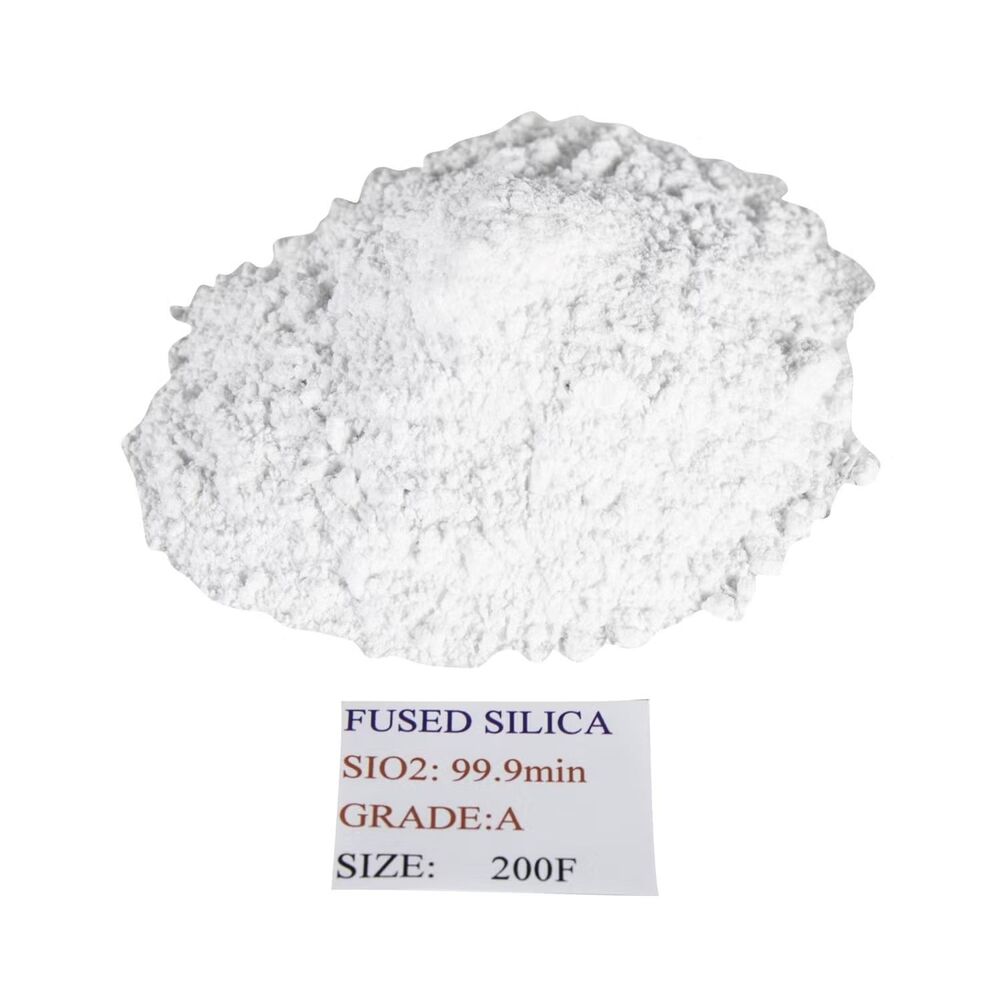
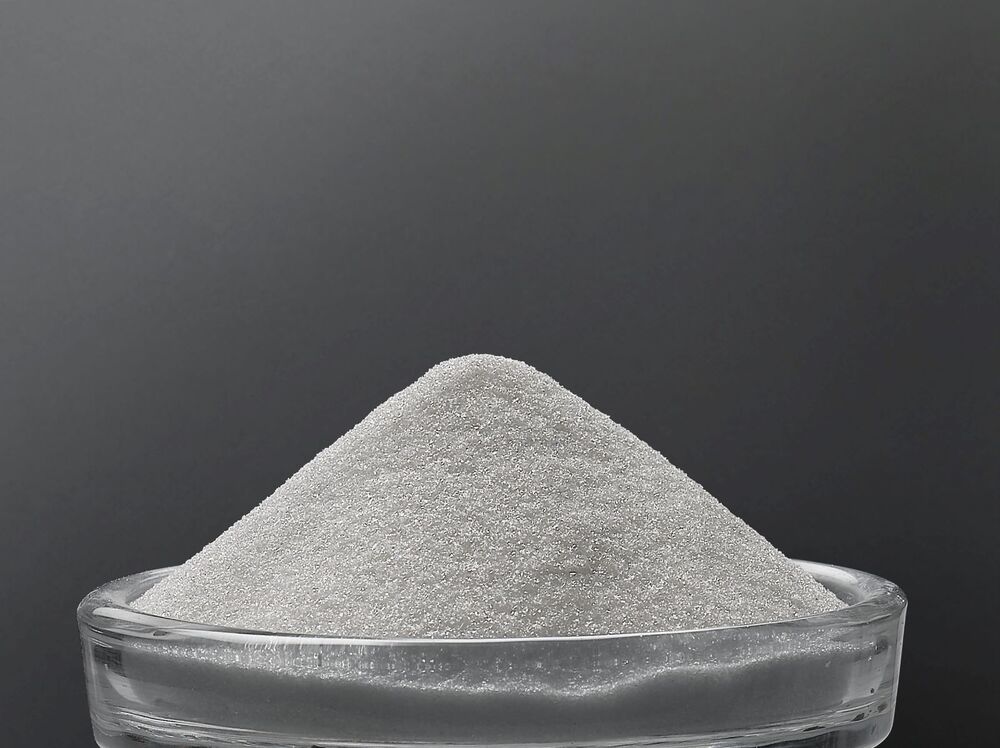
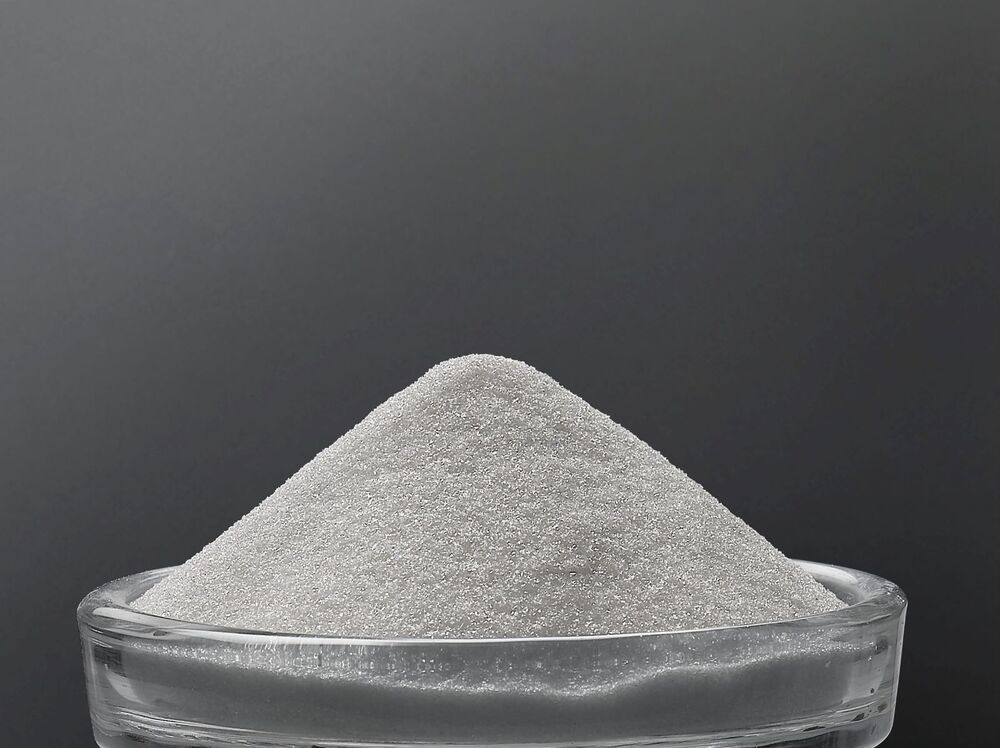
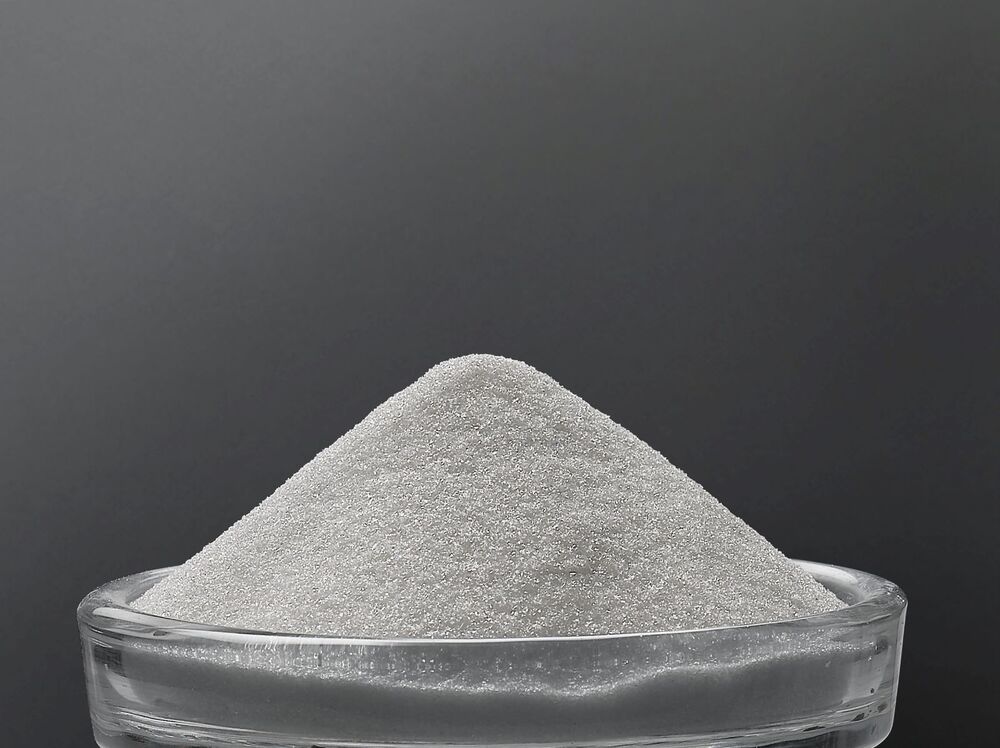
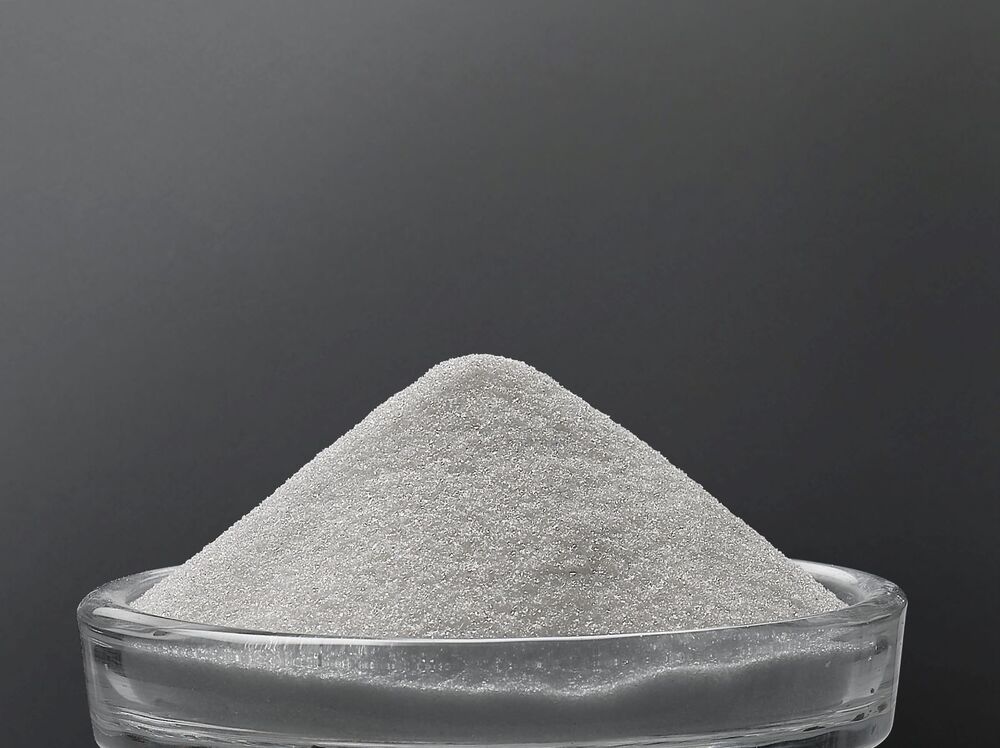
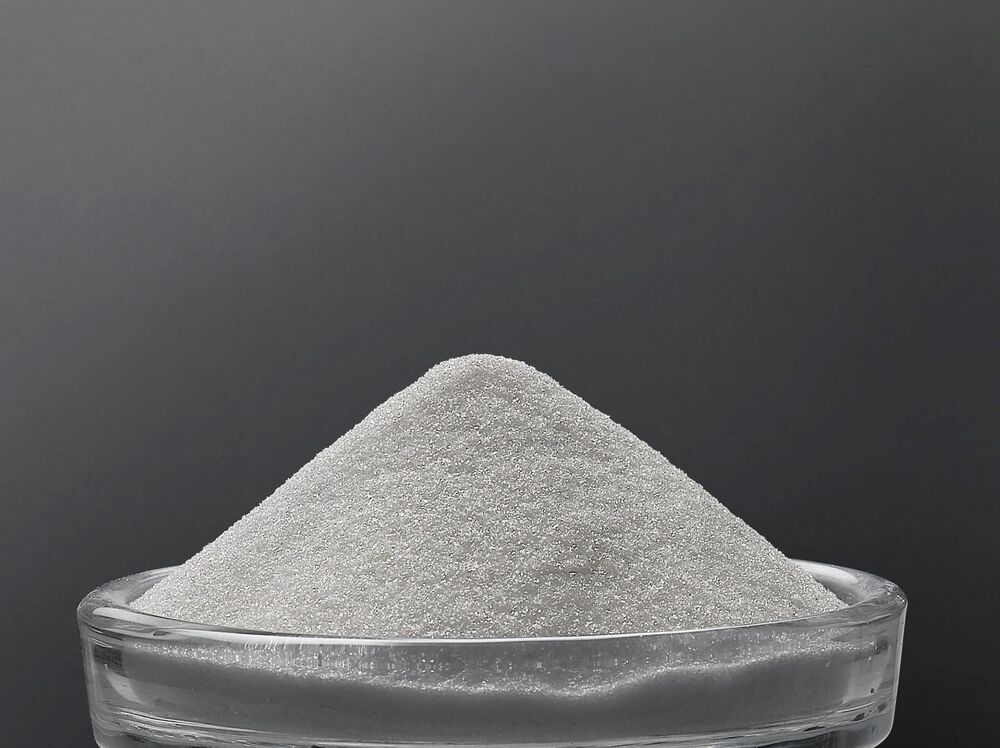
PRATAP CORPORATION Fused silica is a form of silicon dioxide (SiO2) produced by melting high-purity crystalline silica, like quartz, and forming an amorphous, synthetic glass. Its characterized by very low thermal expansion and high thermal shock resistance, making it suitable for various applications, including optics and high-temperature ceramics. Exceptional Physical & Chemical StabilityFused Silica Mesh 200 is renowned for its strong resistance to both extreme temperatures and acidic environments. It has a low thermal expansion ratio, ensuring dimensional stability even under severe heat. Its chemical inertness, especially in acidic solutions, and non-toxicity make it a dependable material for high-precision applications.
Versatile Industrial ApplicationsThis fused silica mesh is essential in sectors such as precision casting, refractory linings, electronics, glassmaking, ceramics, metallurgy, and photovoltaic panels. Its excellent purity and consistent particle size allow for superior performance and reliability in processes that require high-temperature stability and minimal impurities.
Optimal Storage & Safe HandlingFused Silica Mesh 200 should be stored in a dry, cool, and sealed environment to maintain its integrity. The powder is non-toxic, odorless, and tasteless, ensuring safe handling during transportation and usage in industrial settings. Adhering to recommended storage practices preserves its quality and effectiveness.
FAQs of Fused Silica Mesh 200:
Q: How is Fused Silica Mesh 200 different from regular silica powder?
A: Fused Silica Mesh 200 is made by melting high-purity silica at elevated temperatures, resulting in superior thermal stability, higher purity (>99.8%), and a low thermal expansion coefficient compared to standard silica powders. Its mesh size (approximately 75 microns) also ensures finer and more uniform particle distribution.
Q: What are the main industrial applications of Mesh 200 fused silica?
A: Fused Silica Mesh 200 is widely used in precision casting, glassmaking, refractory lining, electronics, ceramics, metallurgy, photovoltaic modules, and laboratory equipment due to its high thermal resistance, chemical stability, and excellent acid resistance.
Q: When should I choose Mesh 200 particle size for my application?
A: Mesh 200 (approx. 75 microns) is ideal when fine particle distribution and surface smoothness are required, such as in precision casting molds, glass formulations, or electronic component manufacturing. It supports enhanced material flow and uniformity in these processes.
Q: Where should fused silica be stored to maintain its quality?
A: To preserve fused silicas performance, store the powder in a sealed container in a dry, cool place away from moisture and contaminants. Proper storage prevents agglomeration and safeguards its chemical and physical properties.
Q: What is the process for using Mesh 200 fused silica in refractory applications?
A: In refractory applications, Mesh 200 fused silica is mixed with binders or other aggregates, shaped, and then fired at high temperatures to form stable refractory linings or components that withstand extreme heat and corrosive environments.
Q: How does using fused silica benefit high-temperature and electronic processes?
A: Fused silicas low thermal expansion and high purity minimize thermal stress and contamination, resulting in reliable components for high-temperature and electronic applications. Its excellent dielectric properties are also critical for insulation and electrical resistance.
 Mon-Sat 10.00 AM to 6.30 PM
 Call Us :07971191623






 Send Inquiry

 Send Inquiry
 Send Inquiry
 Send SMS
 Call Me Free


